
husqvarna leaf blower 150bt manual
Husqvarna 150BT Leaf Blower Manual: A Comprehensive Guide
This guide provides essential information for operating and maintaining your Husqvarna 150BT leaf blower‚ offering access to manuals and parts lists online.
Maximize performance with tips and tricks‚ understanding features‚ functionalities‚ and safety instructions detailed within the operator’s manual for optimal use.
The Husqvarna 150BT is a powerful‚ professional-grade backpack leaf blower designed for demanding cleanup tasks. This manual serves as your companion‚ unlocking the full potential of this machine.
Understanding its features and functionalities is key to efficient operation and longevity. Husqvarna proudly provides comprehensive operator manuals and illustrated parts lists readily available online‚ ensuring easy access to vital information.
This blower excels at clearing leaves‚ debris‚ and other materials from lawns‚ gardens‚ and hard surfaces‚ offering a robust solution for both residential and commercial users.
Safety Precautions and Warnings
Prioritize safety when operating the Husqvarna 150BT. Always read and understand the operator’s manual before use‚ paying close attention to all warnings and instructions. Wear appropriate personal protective equipment‚ including eye and hearing protection‚ a dust mask‚ and sturdy footwear.
Never operate the blower in enclosed spaces or near flammable materials. Be mindful of bystanders and maintain a safe operating distance. Inspect the blower before each use‚ ensuring all parts are secure and in good working condition.
Avoid operating while fatigued or under the influence of drugs or alcohol.

Understanding the Components
The Husqvarna 150BT comprises several key components working in unison. These include the engine‚ impeller‚ blower tube‚ nozzle‚ fuel tank‚ and harness system. Familiarize yourself with each part’s function for effective operation and maintenance.
The impeller generates airflow‚ while the blower tube and nozzle direct it. The fuel tank houses the gasoline-oil mixture powering the engine. The harness distributes weight for comfortable use. Accessing illustrated parts lists online aids in component identification.
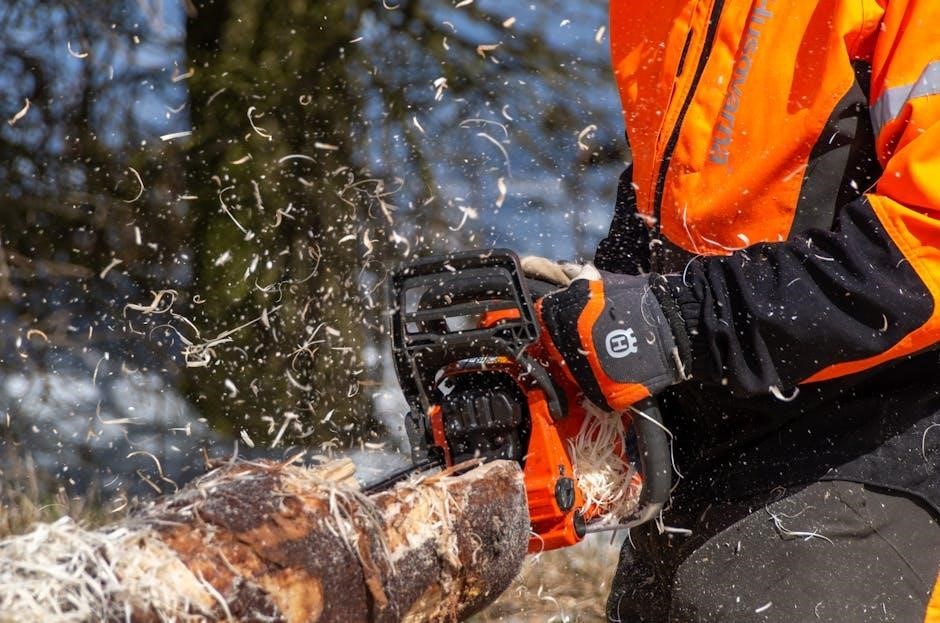
Proper understanding ensures safe and efficient blower performance.
Identifying Key Parts of the 150BT
Essential components include the engine housing‚ fuel tank with cap‚ air filter cover‚ starter assembly‚ and throttle control. Locate the impeller housing and blower tube connection point. Recognize the harness adjustment buckles and straps for a secure fit.
The nozzle directs airflow‚ while the spark plug initiates combustion. Refer to the parts diagram for precise locations. Understanding these parts is crucial for assembly‚ maintenance‚ and troubleshooting. Online resources provide visual aids for identification.
Accurate part recognition streamlines repairs.
Husqvarna 150BT Parts Diagram Overview
The illustrated parts list (IPL) is a vital resource‚ detailing every component of the 150BT. Husqvarna provides these diagrams online‚ allowing users to identify parts by number and description. Key sections include the engine‚ fuel system‚ intake‚ and blower housing.
Diagrams showcase the impeller‚ fan‚ and nozzle assembly. Harness components and control handle parts are also clearly illustrated. Using the IPL simplifies ordering replacement parts and understanding the blower’s construction. Accessing this resource ensures accurate repairs and maintenance.
Detailed visuals aid identification.
Assembly Instructions
Proper assembly is crucial for safe and efficient operation of your Husqvarna 150BT. Refer to the operator’s manual for detailed‚ step-by-step instructions. Initial setup involves attaching the blower tube and nozzle securely. Ensure all connections are tight to prevent airflow restriction and potential hazards.
Video tutorials demonstrate the assembly process visually‚ aiding understanding. Carefully follow each step‚ verifying component alignment. Incorrect assembly can lead to performance issues or damage. Double-check all fasteners before operation.
A well-assembled blower ensures optimal performance.
Step-by-Step Assembly Guide
Begin by unpacking all components and verifying against the parts list in your manual. First‚ attach the handle assembly to the blower housing using the provided bolts. Next‚ connect the back pad frame‚ ensuring secure alignment. Then‚ carefully slide the blower tube onto the blower outlet‚ twisting to lock it in place.
Finally‚ attach the nozzle to the end of the blower tube. Tighten all screws and bolts firmly‚ but avoid over-tightening. Refer to the illustrated parts diagram for visual guidance throughout the process. A properly assembled unit is essential for safe operation.
Attaching the Blower Tube and Nozzle
Begin by aligning the blower tube with the blower housing outlet. Gently slide the tube onto the outlet‚ ensuring a snug fit. Rotate the tube clockwise until it locks securely into position – you should hear a click. Next‚ attach the nozzle to the end of the blower tube.
Twist the nozzle onto the tube‚ again listening for a locking sound. Verify both connections are firm and stable before operation. Improperly attached components can reduce performance and create a safety hazard. Refer to the parts diagram for correct orientation;
Starting the Husqvarna 150BT
Before starting‚ ensure the blower is on a level surface and clear of debris. Confirm the fuel tank is filled with the correct fuel mixture – a vital step for optimal performance. Engage the choke lever‚ especially for cold starts‚ and set the throttle to the starting position.
Firmly grasp the starter handle and pull briskly. Repeat several times until the engine attempts to start. Gradually disengage the choke as the engine runs‚ and adjust the throttle for desired speed. Always follow the proper starting procedure.

Fueling the Blower – Recommended Mix Ratios
Husqvarna 150BT requires a precise fuel mixture for reliable operation and longevity. Utilize a 50:1 ratio of high-quality‚ two-stroke engine oil to unleaded gasoline. This translates to 2.6 ounces of oil per gallon of gasoline‚ or 80ml per 5 liters.
Always pre-mix the fuel in a dedicated container‚ ensuring thorough blending before adding it to the blower’s fuel tank. Avoid using fuel containing ethanol exceeding 10%‚ as it can damage the fuel system. Proper fuel mixture is crucial for performance.
Proper Starting Procedure
Before starting‚ ensure the blower is on a level surface and the throttle trigger is disengaged. Prime the fuel bulb approximately six to ten times until fuel is visible. Engage the choke lever – for a cold start‚ fully engage it; for a warm start‚ partially engage.
Firmly grasp the starter handle and pull briskly. Repeat several times until the engine attempts to start. Gradually disengage the choke as the engine runs‚ and allow it to warm up before full throttle.
Operating Instructions
To operate the Husqvarna 150BT effectively‚ always maintain a firm grip and a stable stance. Direct the blower nozzle towards the debris‚ utilizing sweeping motions for optimal clearing. Adjust the blower speed using the throttle trigger to match the task’s demands.
Avoid directing the airflow towards people or animals. Be mindful of surrounding objects and potential hazards. Regularly inspect the blower tube and nozzle for obstructions‚ ensuring consistent performance and safe operation.

Optimal Operating Techniques
For best results with your Husqvarna 150BT‚ begin by clearing larger debris first‚ then focus on finer materials. Employ a sweeping motion‚ overlapping each pass slightly to prevent missed spots. Utilize the blower’s power by varying the speed based on debris type and wind conditions.
Maintain a comfortable working posture‚ shifting weight as needed to avoid fatigue. Avoid prolonged use at maximum throttle‚ conserving fuel and reducing noise. Regularly check for obstructions in the blower tube for consistent airflow.
Adjusting Blower Speed and Control
The Husqvarna 150BT features variable speed control‚ conveniently located on the handle. Utilize the throttle trigger to increase airflow for heavier debris or decrease it for lighter materials and noise reduction. Practice modulating the speed for optimal efficiency and control.
Remember that lower speeds conserve fuel and minimize disturbance. Ensure a firm grip on the blower during operation‚ especially at higher speeds. Familiarize yourself with the throttle response for precise adjustments during use.
Maintenance and Care
Regular maintenance is crucial for prolonging the life of your Husqvarna 150BT. Prioritize cleaning or replacing the air filter frequently to ensure optimal engine performance. Inspect the spark plug regularly‚ cleaning or replacing it as needed for reliable starting.
Additionally‚ maintain the fuel system by using fresh fuel and a fuel stabilizer. Proper care prevents issues and keeps your blower running efficiently. Refer to the operator’s manual for detailed schedules and procedures.
Air Filter Cleaning and Replacement

Maintaining a clean air filter is vital for your Husqvarna 150BT’s engine health. Regularly inspect the filter for dirt and debris; a clogged filter restricts airflow‚ reducing performance. Cleaning can often be done by tapping it gently or using compressed air – avoid water!
When cleaning proves insufficient‚ replace the filter. Refer to your operator’s manual for the correct filter type and replacement instructions. A new filter ensures optimal engine efficiency and prevents damage.
Spark Plug Maintenance
Proper spark plug maintenance is crucial for reliable starting and efficient engine operation of your Husqvarna 150BT. Inspect the spark plug periodically for fouling‚ wear‚ or damage. Clean the plug with a wire brush if necessary‚ ensuring the gap is correct – consult your manual for specifications.
Replace the spark plug according to the recommended service intervals. A faulty spark plug can cause starting difficulties and reduced power. Using the correct spark plug type is essential for optimal performance.
Troubleshooting Common Issues
Encountering problems with your Husqvarna 150BT? Starting issues are often due to stale fuel‚ a clogged carburetor‚ or a faulty spark plug. Performance drops can indicate a dirty air filter‚ incorrect fuel mixture‚ or a blocked blower tube.
Refer to the manual for detailed diagnostic steps. Regular maintenance prevents many issues. If problems persist‚ consult a qualified Husqvarna service technician for assistance and repair.
Starting Problems and Solutions

Difficulty starting your 150BT? Check the fuel – ensure it’s fresh and properly mixed. Inspect the spark plug for fouling or damage‚ replacing if necessary. A clogged carburetor is a common culprit; cleaning or rebuilding may be required.
Confirm the choke is engaged correctly during cold starts. Verify the air filter is clean. Follow the proper starting procedure outlined in the manual‚ and avoid excessive pulling.
Performance Issues and Diagnosis
Reduced blowing power can stem from several issues. Inspect the blower tube and nozzle for obstructions. A dirty air filter restricts airflow‚ diminishing performance; clean or replace it. Check the spark plug and fuel mixture for proper operation.
Carburetor problems often cause inconsistent running. Examine the fuel filter for clogs. Ensure proper impeller function – damage reduces efficiency. Refer to the manual for detailed diagnostic steps.
Fuel System Maintenance
Maintaining the fuel system is crucial for reliable operation. Regularly check the fuel filter for debris and replace it as needed to ensure a clean fuel supply. Carburetor adjustments may be necessary for optimal performance‚ especially with changing fuel types or altitudes.
Consult the operator’s manual for specific adjustment procedures. Always use the recommended fuel mix ratio to prevent engine damage. Proper fuel storage is also vital; use a fuel stabilizer for extended periods.
Carburetor Adjustment
Adjusting the carburetor ensures optimal engine performance. Refer to the operator’s manual for detailed instructions‚ as incorrect adjustments can cause starting problems or poor running. Typically‚ adjustments involve the high-speed and low-speed screws‚ influencing fuel mixture at different engine speeds.
Start with factory settings and make small adjustments‚ testing after each change. Consider altitude and fuel type when adjusting. If unsure‚ consult a qualified technician to avoid damaging the engine.
Fuel Filter Replacement

Regular fuel filter replacement is crucial for maintaining optimal engine performance and preventing fuel-related issues. Locate the fuel filter within the fuel tank‚ typically accessible by removing the fuel cap. Carefully disconnect the fuel lines‚ noting their positions for reassembly.
Remove the old filter and install the new one‚ ensuring a secure fit. Reattach the fuel lines correctly and tighten the fuel cap. Dispose of the old filter responsibly.
Storage Guidelines
Proper storage is vital for preserving your Husqvarna 150BT’s longevity. Before long-term storage‚ drain the fuel tank completely to prevent carburetor issues. Run the engine until it stalls to empty the fuel lines. Clean the blower thoroughly‚ removing debris.
Store in a dry‚ cool location‚ away from direct sunlight and extreme temperatures. Consider a protective cover to prevent dust accumulation; Regularly check and maintain the unit even during storage.
Preparing the Blower for Storage
Before storing your Husqvarna 150BT‚ complete several crucial steps. First‚ thoroughly clean the blower‚ removing all leaves‚ dirt‚ and debris. Next‚ drain the fuel tank completely to prevent fuel degradation and carburetor problems. Run the engine until it stops to ensure the fuel lines are empty.
Remove the spark plug and add a tablespoon of 2-cycle engine oil‚ pull the starter cord several times to coat the cylinder. Finally‚ store in a dry‚ protected area.
Long-Term Storage Recommendations
For extended storage beyond a few months‚ additional precautions are vital. After preparing the blower as outlined previously‚ consider applying a fuel stabilizer to any remaining fuel in the tank‚ if complete draining isn’t possible. Inspect all hoses for cracks or deterioration and replace as needed.

Cover the blower with a breathable cover to protect it from dust and moisture. Store in a cool‚ dry location away from direct sunlight. Periodically check the blower during storage.
Obtaining Operator Manuals and Parts Lists
Husqvarna proudly offers readily available Illustrated Parts Lists (IPL) and Operator Manuals for the 150BT and 150BF series blowers. These resources are easily accessible online through the Husqvarna website‚ providing comprehensive support for your machine. Locating the correct manual ensures proper maintenance and repair procedures.

Digital copies allow for convenient access‚ while printed versions can be requested if preferred. Utilize the model and serial number for accurate identification and download the appropriate documentation.
Husqvarna Support and Resources
For additional assistance beyond the operator’s manual‚ Husqvarna provides a wealth of support resources. Explore their official website for frequently asked questions‚ troubleshooting guides‚ and helpful videos demonstrating assembly‚ starting‚ and maintenance procedures for the 150BT blower.
Warranty information is also readily available online‚ detailing coverage and claim processes. Contact Husqvarna’s customer service team directly for personalized support and to locate authorized service dealers in your area.
Where to Find Additional Help
Husqvarna’s website is the primary hub for support‚ offering downloadable operator manuals and illustrated parts lists for the 150BT and 150BF series blowers. Explore online forums and communities dedicated to Husqvarna equipment‚ where users share tips and solutions to common issues.
YouTube hosts numerous videos demonstrating assembly‚ starting‚ and maintenance procedures. Contact local Husqvarna dealers for expert advice and service‚ ensuring your blower operates at peak performance. Remember to have your model number ready when seeking assistance.
Warranty Information
Husqvarna provides a warranty on the 150BT leaf blower‚ covering defects in materials and workmanship. Warranty duration varies based on the type of use – residential or commercial – and registration status. Registering your product promptly extends the warranty period.
The warranty does not cover damage resulting from misuse‚ improper maintenance‚ or normal wear and tear. Contact your local Husqvarna dealer or visit the Husqvarna website for complete warranty details and claim procedures. Keep your purchase receipt for warranty validation.